What are Tooth Extractions? Understanding the Procedure and Its Necessity

Tooth extraction, a common dental procedure, involves the removal of a tooth from its socket in the bone. While the goal of dentistry is often to preserve natural teeth, there are circumstances where tooth extraction becomes necessary for the overall health of the oral cavity. This article will explore what tooth extractions entail, reasons for extraction, the process, and post-extraction care.

Understanding Tooth Extractions

Tooth extractions are performed for various reasons, ranging from tooth decay to orthodontic treatment needs. The procedure can be simple or surgical, depending on the tooth’s condition and position. A simple extraction involves removing a tooth that is visible in the mouth, while surgical extractions are more complex and involve removing teeth that are not easily accessible.

Reasons for Tooth Extraction: A Detailed Perspective

Tooth extraction is a significant dental procedure often considered when other treatment options are not viable or sufficient. Understanding the reasons for tooth extraction can help patients appreciate the necessity and importance of this intervention. Here’s an in-depth exploration of the common reasons for extracting a tooth:

  1. Severe Decay or Infection
  • Pulp Involvement: Tooth decay can progress deeply into the tooth, reaching the pulp – the central part of the tooth containing nerves and blood vessels.
  • Infection: When bacteria invade the pulp, it can lead to an infection or abscess, which is a pocket of pus near the tooth root caused by bacterial infection.
  • Treatment Limitations: While root canal therapy can sometimes save a decayed or infected tooth, extraction may be necessary if the damage is too extensive or if the infection is severe and cannot be controlled.
  1. Periodontal Disease
  • Gum Infection and Bone Loss: Periodontal disease, or gum disease, is an infection of the gums and bone that support the teeth. Advanced stages of periodontal disease can lead to the loosening of teeth.
  • Tooth Mobility: As the disease progresses, it destroys the supporting bone and soft tissue, leading to tooth mobility. In such cases, extraction is often required to prevent further spread of the infection and to preserve the health of the surrounding oral structures.
  1. Risk of Infection
  • Preventive Extractions: In some scenarios, such as for patients undergoing chemotherapy or organ transplant, the risk of infection is heightened. Extracting teeth that might pose a future risk of infection can be a necessary preventive measure in these cases.
  • Immunocompromised Patients: For patients with compromised immune systems, even a minor tooth infection can have serious consequences, making extractions a prudent choice.
  1. Orthodontic Treatment
  • Creating Space: Orthodontic treatment often requires sufficient space in the mouth to achieve proper alignment. In cases of overcrowding, extracting one or more teeth can provide the needed space for the remaining teeth to be properly aligned.
  • Treatment Planning: Extractions for orthodontic reasons are carefully planned as part of an overall strategy to improve the alignment and function of the teeth.
  1. Impacted Teeth
  • Common in Wisdom Teeth: Impaction is often seen with wisdom teeth (third molars), which may not have enough room to emerge or develop normally.
  • Complications: Impacted teeth can lead to pain, infection, and damage to adjacent teeth. They can also cause cysts or tumors and contribute to crowding, necessitating their removal.

The Process of Tooth Extraction: A Step-by-Step Breakdown

Tooth extraction is a common dental procedure performed for various reasons. While the idea of extraction can be daunting, understanding the process can alleviate anxiety and prepare patients for what to expect. Here’s a detailed look at the stages involved in tooth extraction:

  1. Initial Consultation
  • Assessment and Planning: The dentist begins with a thorough examination of the affected tooth and surrounding area. This includes a review of the patient’s dental and medical history to identify any potential complications.
  • X-Rays: Dental X-rays are taken to determine the tooth’s condition, its position in relation to surrounding teeth and bone, and to plan the extraction method. These images help in identifying issues like bone loss or involvement of the nerve.
  1. Anesthesia
  • Local Anesthesia: Before the extraction, local anesthesia is administered to numb the area around the tooth. This ensures that the procedure is as pain-free as possible. The patient remains awake but won’t feel any pain, just pressure and movement.
  • Anesthetic Options: In some cases, sedation anesthesia or general anesthesia may be used, especially for more complex cases or for patients with dental anxiety.
  1. Simple Extraction
  • Procedure for Visible Teeth: Simple extractions are performed on teeth that are visible and easily accessible in the mouth.
  • Tools and Technique: The dentist uses a tool called an elevator to loosen the tooth and then forceps to remove it. The elevator is wedged between the tooth and the surrounding bone to separate any ligament holding the tooth in place. Once loose, the tooth is gripped with forceps and gently rocked back and forth until it is free.
  1. Surgical Extraction
  • Approach for Impacted Teeth: Surgical extractions are needed for teeth that are not easily accessible, such as impacted wisdom teeth or teeth that have broken off at the gum line.
  • Incision and Removal: The dentist or oral surgeon makes an incision into the gum to expose the tooth and bone. If necessary, some bone might be removed, or the tooth may be cut into smaller pieces to facilitate its removal. This approach minimizes the amount of bone that needs to be removed and helps in easier extraction of the tooth.
  1. Post-Extraction Process
  • Blood Clot Formation: After the tooth is extracted, a blood clot typically forms in the socket. The dentist may place a gauze pad in the socket and ask the patient to bite down on it to help stop the bleeding.
  • Stitches: Sometimes, the extraction site may require stitches. These can be either dissolvable or may need removal after a few days.
  1. Recovery and Aftercare
  • Instructions for Home Care: Patients receive specific instructions for post-extraction care, including how to manage any discomfort, swelling, and caring for the extraction site.
  • Follow-Up Appointment: A follow-up appointment may be scheduled to monitor the healing process and to remove stitches if they are not self-dissolving.

Post-Extraction Care: Ensuring a Smooth Recovery

After a tooth extraction, proper aftercare is essential to promote healing, prevent complications, and ensure a swift recovery. Here’s a detailed guide on how to care for yourself post-extraction:

Blood Clot Formation

  • Importance of the Blood Clot: Following an extraction, a blood clot forms in the socket, the empty space in the bone where the tooth was. This clot is crucial for healing, as it protects the bone and nerves underneath and helps in the formation of new tissue.
  • Avoiding Dislodgment: To protect the clot, avoid activities that can dislodge it, such as drinking from a straw, smoking, or vigorous rinsing, for at least 24 hours post-extraction.

Pain Management

  • Managing Discomfort: Some pain and discomfort following an extraction are normal. Your dentist may prescribe painkillers or recommend over-the-counter pain relief medications. It’s important to follow the prescribed dosage.
  • Cold Compress: Applying a cold compress to the cheek near the extraction site can help reduce swelling and provide pain relief.

Eating and Drinking

  • Dietary Adjustments: For the first few days after your extraction, stick to soft foods and liquids. Avoid hot beverages and alcoholic drinks, as they can disrupt the healing process.
  • Chewing: Chew food on the opposite side of your mouth from the extraction site to avoid disturbing the area.

Oral Hygiene

  • Cleaning the Extraction Site: Gentle rinsing with warm salt water (1/2 teaspoon of salt in a cup of warm water) can help keep the extraction site clean. Start this 24 hours after the extraction.
  • Brushing and Flossing: Continue brushing and flossing your teeth, but be very gentle around the extraction site to avoid disturbing the blood clot.

Recovery and Healing

  • Rest: Rest is important after an extraction. Avoid strenuous activities for a couple of days to prevent bleeding and aid in healing.
  • Elevation: Keep your head elevated with pillows to reduce bleeding and swelling.

Follow-Up Care

  • Stitches: If stitches are used, a follow-up appointment might be necessary for their removal, unless they are the self-dissolving type.
  • Monitoring Healing: Keep an eye on the extraction site for signs of infection or dry socket (a painful condition where the blood clot fails to develop or is dislodged). Contact your dentist if you experience severe pain, fever, or continued bleeding.
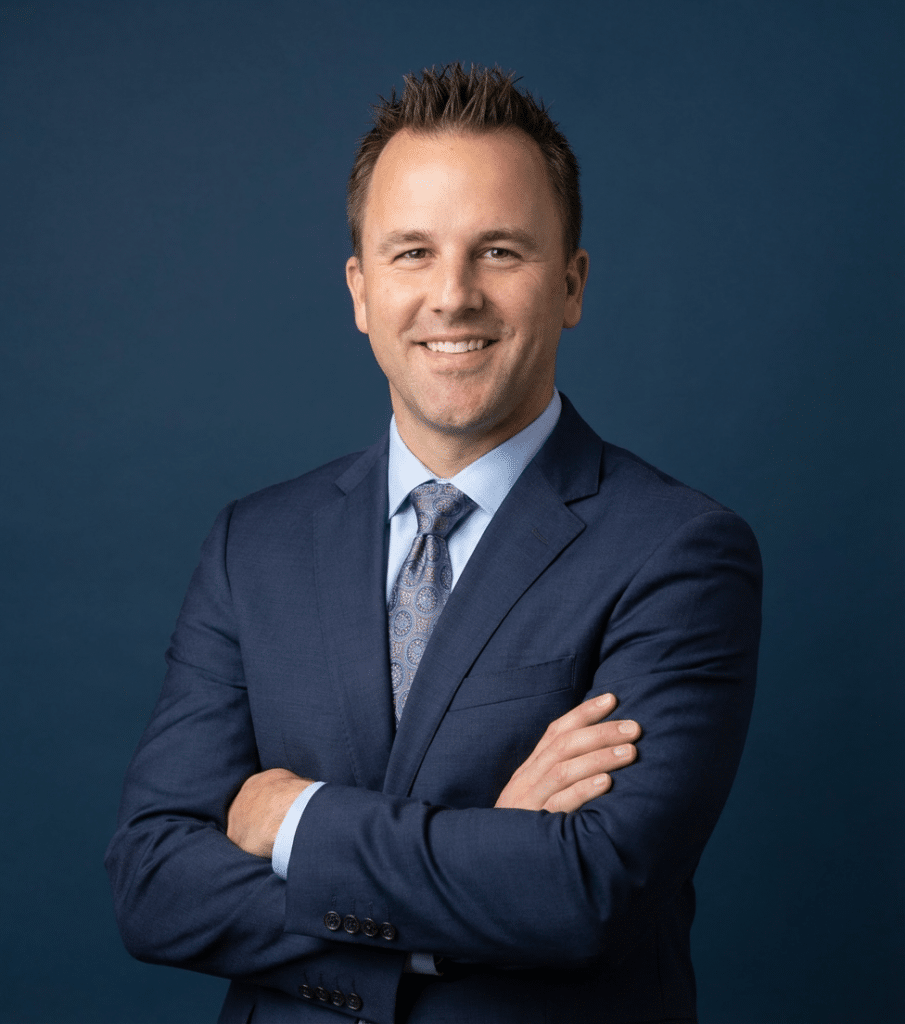
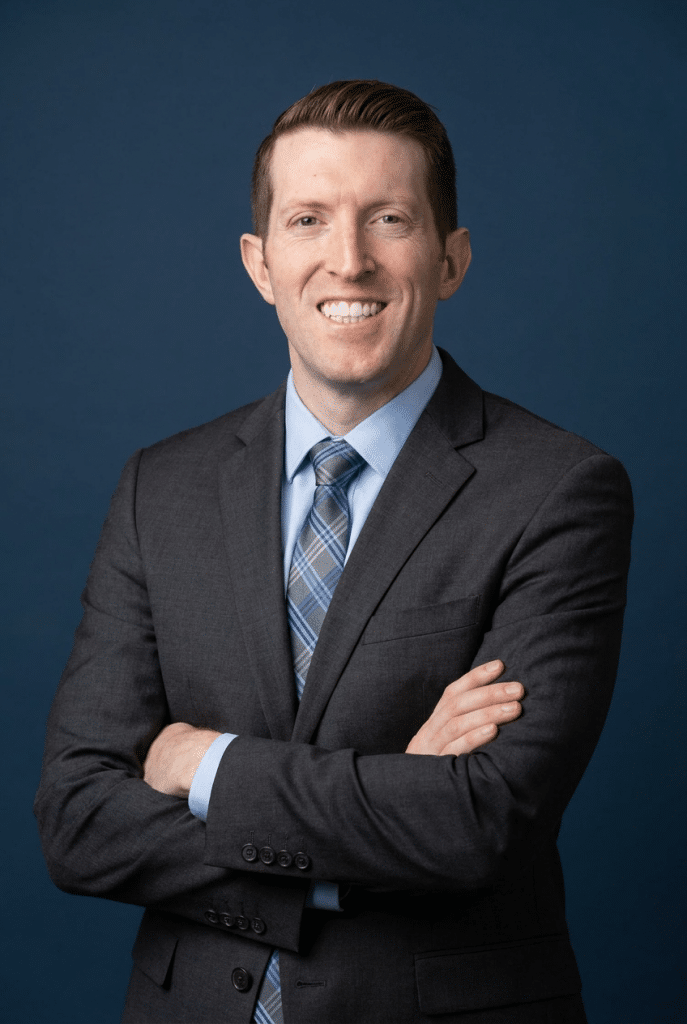
Dr. Logan Fox, DMD

Nampa South

Nampa Greenhurst

Dr. Fox is a dedicated general dentist committed to providing high-quality, patient-centered care. He earned his Doctor of Dental Medicine (D.M.D.) degree from Midwestern University in Glendale, Arizona, where he also completed a Master’s in Biomedical Sciences. He holds a Bachelor of Science in Health Sciences from Boise State University, graduating with honors.

Dr. Fox has experience in all aspects of general dentistry, including exams, restorations, and extractions. He is passionate about continuing education and has completed over 100 hours of advanced training to stay current with the latest techniques and technologies in dentistry.

Before becoming a dentist, Dr. Fox worked as a dental assistant, giving him a well-rounded understanding of patient care and clinical efficiency. His background also includes several years in customer service, which shaped his approachable, communicative style and focus on making patients feel comfortable and informed.

Dr. Fox is certified in Basic Life Support and Radiology Health and Safety. He is fluent in Portuguese and conversational in Spanish, allowing him to connect with a diverse patient community.

Outside of dentistry, Dr. Fox spent two years serving as a missionary in both North Carolina and Rio de Janeiro, Brazil, an experience that strengthened his ability to serve others with compassion and cultural awareness.

Dr. Fox is committed to helping patients achieve healthy, confident smiles in a welcoming and supportive environment.

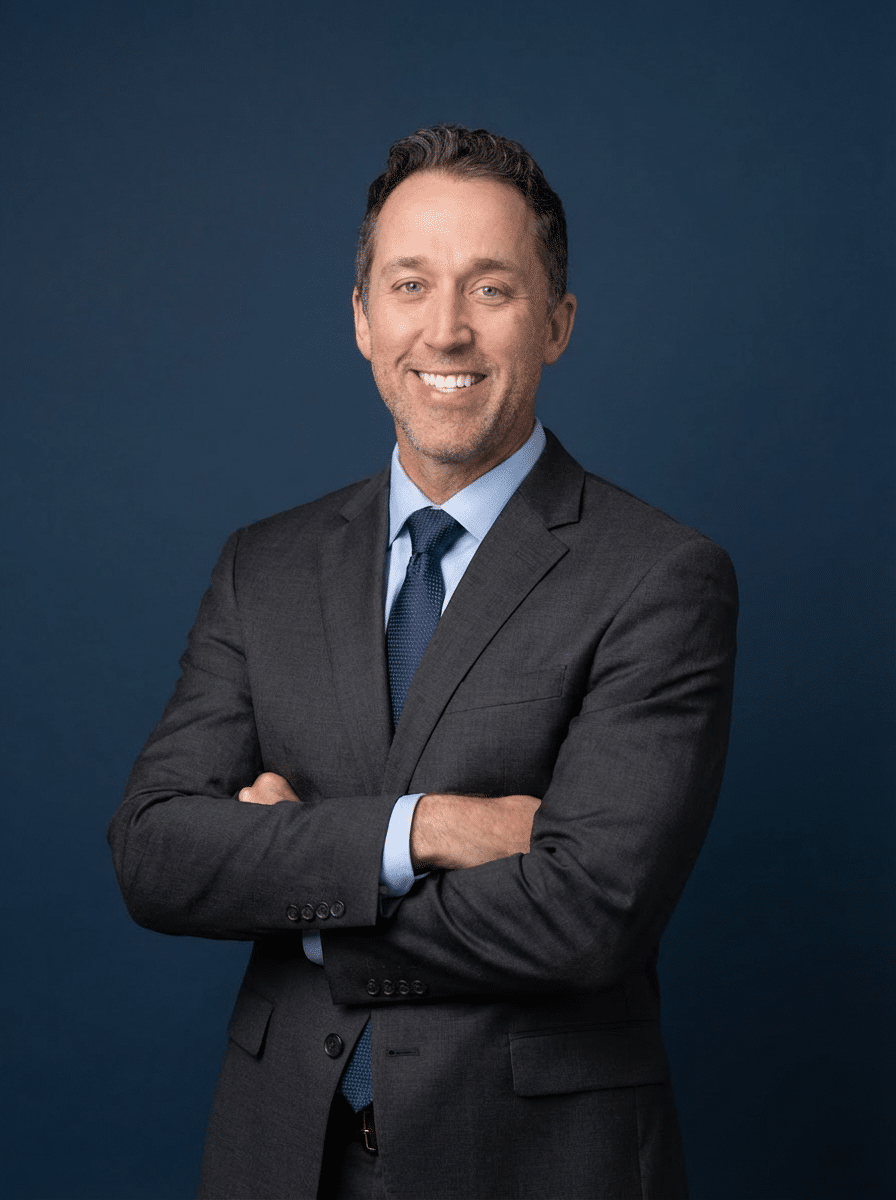
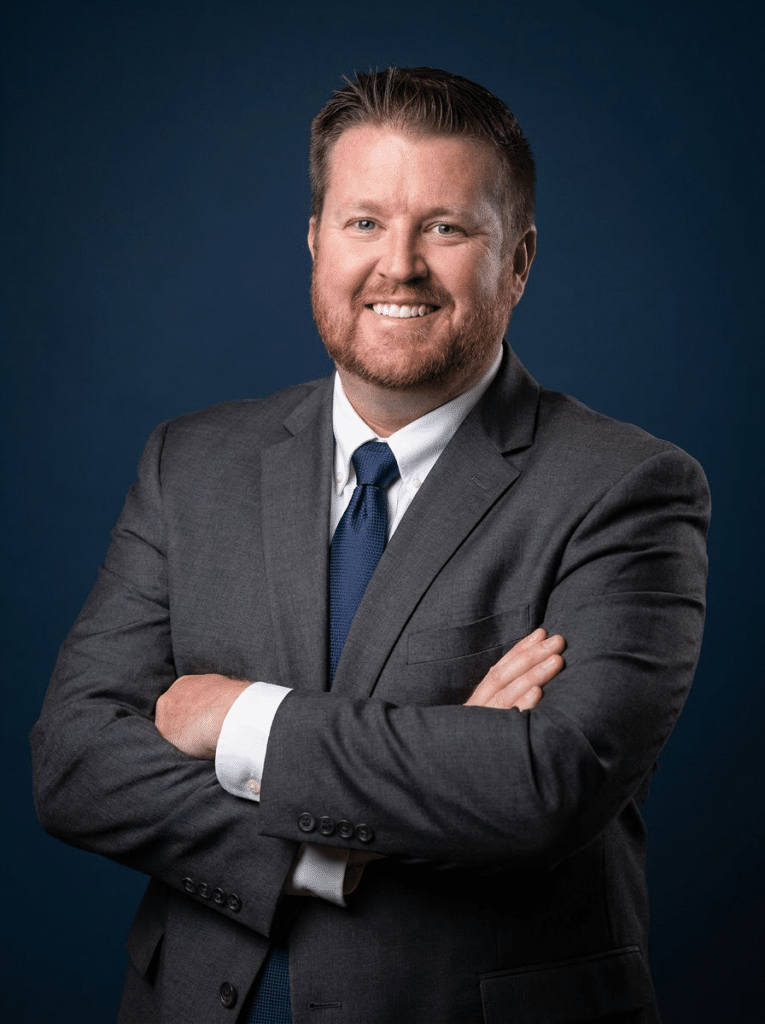
Dr. Trever Gray, DDS

Nampa South

Nampa Greenhurst

After practicing in community health for several years, I joined the team at Nampa Smiles. I grew up in Northern Utah, but have made the Treasure Valley home. I attended Weber State University. After graduating Cum Laude, I moved to Virginia, where I attended the Medical College of Virginia (VCU) for dental school. While there, I grew to love the practice of dentistry and enjoy all aspects of dentistry. Following dental school, I decided to advance my skills and complete a residency program at the University of Utah Hospital in Salt Lake City. While I was there, I was able to hone my skills in advanced oral surgery, endodontics (root canals), dental implants, pediatrics, oral and IV sedation, and orthodontics. I truly enjoy all aspects of dentistry and love advancing my knowledge and skills through continuing education.

In my free time, I enjoy spending time outdoors with my family. I have 2 young boys who keep me very busy. I love to fly fish, ride snowmobiles, and ATV’s. I could not be happier to join the team here at Nampa Smiles. I will be located at our south office and look forward to treating you and your family’s dental needs.

Dr Paventy

Nampa Downtown

A Sacramento, California native, Dr. Jarvis earned his Doctor of Dental Surgery (DDS) degree from the Medical University of South Carolina. His dedication to providing exceptional patient care and fostering meaningful connections makes him a great addition to our team.

When he’s not at the office, Dr. Jarvis loves spending time with his wife and kids. He’s an avid outdoorsman who enjoys skiing, playing pickleball, and exploring the beauty of nature. Dr. Jarvis is excited to call the Treasure Valley community home and looks forward to serving our patients with care and expertise.

DR. Matthew Kooyman

Nampa Downtown

As a Dentist he practices a full scope of general and cosmetic dentistry. He specializes in Root Canals, Wisdom Teeth Extractions, Dental Crowns, Sedation Dentistry, Dental Implants, and Dentures.

Dr Amelia Justin

Nampa Downtown

I was born in Sandy, Utah, grew up in the beautiful small town of Sisters, Oregon and now I love living the Treasure Valley. I have always enjoyed living in the west, I completed my undergraduate biology degree at Gonzaga University in Spokane, Washington and then headed to Portland, Oregon to where I graduated with honors from Oregon Health and Sciences University with my dental degree (DMD). I had a wonderful professional experience beginning my dental career at a busy community health clinic in Nampa (Terry Reilly Health Services). In January of 2006 I joined the practice here at Nampa Smiles. I look forward to coming to the office each day and helping all of our patients to achieve great dental health.

It was in Portland where I met my husband Scott, a native of Boise. He told me great things about the area and now I am glad to call Idaho home. I love to run, hike, ski and travel on the days I am not in the office. And after being a terrible cook in the past, cooking is now one of my favorite things to do.

Dr. Ryan Humbert, DDS

Nampa Downtown

Dr. Humbert is committed to help every patient achieve the dental health they want and deserve. His training at the University of Iowa, under the wing of dentists with advanced degrees in all 9 recognized dental specialties prepared him to handle complex dental problems with sound and proven principles. He carries this on with membership and participation in TEAMAct study club There he meets with many of the best clinicians in the treasure valley to discuss dentistry. They focus on how to create quality treatment plans to be able to restore patients’ health and dental esthetics. He believes that good oral health can lead to overall health and the two are closely connected. He wants his patients to have a doctor who can handle all but the most complex dental issues and for these he collaborates with the finest local dental specialists.

Dr. Humbert devotes much time to improving his skills and knowledge, investing in more than twice the hours required by the Idaho State Dental Board. He is involved in the leadership of the Western Treasure Valley Dental Society trying to improve the delivery of dentistry both locally and throughout the state of Idaho. He has received additional training in Invisalign™, implant dentistry, sleep dentistry, and has recently trained to offer full arch dental implant denture solutions. No matter your dental needs he will find a solution.

Dr. Humbert can be found outside of clinical hours with his wife Melissa and their four beautiful children. He enjoys mountain biking, snowboarding, and exploring the outdoors. He and his wife are big DIYers and build furniture and other woodworking projects together.

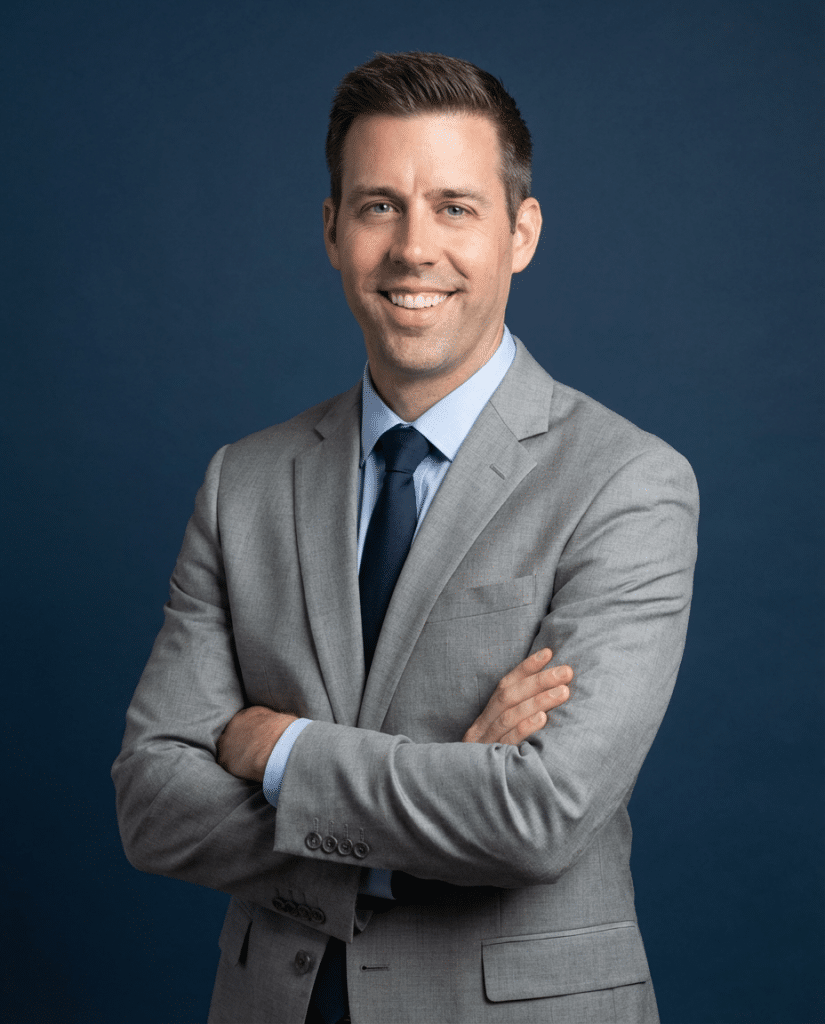
Dr. David White, DDS

Nampa Downtown

Dr. David White believes going to the dentist shouldn’t feel intimidating. It should feel like visiting someone who genuinely cares about your smile, and maybe even makes you laugh a little along the way.

Originally trained at Dalhousie University in Halifax, Nova Scotia, Dr. White earned his dental degree in 2014 before heading west to complete a General Practice Residency at the University of Utah. Since entering private practice in 2014, he has focused on combining advanced dental techniques with a comfortable, patient-first approach.

Dr. White has a special interest in dental implants and cosmetic dentistry. In his practice, Dr. White utilizes the latest digital innovations to ensure superior results. By integrating digital impressions and 3D imaging, he provides restorations that are as durable as they are beautiful. Whether you are seeking a full-mouth rejuvenation or a single implant, you can expect a tailored treatment plan backed by modern science.

Outside the clinic, Dr. White is a true believer of the “hands-on” lifestyle. When he isn’t crafting smiles, you can find him tackling DIY home projects or enjoying quality time with family. On sunny days, the best place to find him is out on the lake, captaining the family boat and enjoying the beauty of the Idaho outdoors.

Dr. Spencer Romney, DMD

Nampa 12th Ave

I grew up in Pleasant Grove, Utah, where family values and sports played a big role in shaping who I am today. Outside of work, you’ll often find me hiking with my dogs or swimming at the pool. I had the opportunity to serve a mission, where I learned Spanish and discovered a deep love for serving my community.

While playing at BYU, I met my wife, Sara – a proud Nampa native – and quickly fell in love. After graduation, we both attended the University of Kentucky, where she completed her Physician Assistant training and I earned my Doctorate of Medical Dentistry. Now, we’re excited to call the Treasure Valley home and look forward to serving its wonderful residents.

Dr. Melissa Pysnak, DDS

Caldwell

Dr. Melissa Pysnak emigrated from Czechoslovakia with her family and settled in Utah where she was raised. She received her bachelor’s degree in Nutrition from Brigham Young University and her Doctor of Dental Surgery (DDS) degree from the University of Utah School of Dentistry. Following dental school, Dr. Pysnak completed a 1-year General Practice Residency at the George E. Wahlen VA Medical Center. While there, she received advanced training in various aspects of dentistry including guided bone regeneration and implant surgery. She relocated to the Treasure Valley area and is thrilled to live closer to her family.

Dr. Pysnak served on the University of Utah School of Dentistry Admissions Committee and on the Board of Trustees for the Idaho State Dental Association. She is a member of the Western Treasure Valley Dental Society and American Dental Association. Dr. Pysnak has also dedicated her time to humanitarian work in the Philippines and the Dominican Republic.

When she is not hard at work, Dr. Pysnak enjoys all things outdoors, traveling, and spending time with her family. She looks forward to meeting you on your next visit!

Dr. Zachary Glaus, DDS

Boise

Dr. Glaus grew up in both Henderson, Nevada, and Tampa Bay, Florida. He attended Brigham Young University in Idaho, where he met his wonderful wife, Taylor. They then moved to New York, where Dr. Glaus attended Touro College of Dental Medicine.

Dr. Glaus and his wife have three boys: Liam, Oliver, and Finn. They enjoy skiing, snowboarding, camping, boating, and swimming.

Dr. Glaus first had an interest in becoming a dentist while visiting his dentist as a child. The care and friendship his dentist showed him helped Dr. Glaus develop a desire to help people.

Dr. Ryan Olson

Nampa Downtown

Dr. Ryan Olson received his Doctor of Dental Surgery in 2008 from Virginia Commonwealth University in Richmond Virginia. He completed his undergraduate studies at BYU-Idaho and Idaho State University. After graduating from dental school, he completed a 1-year residency in general dentistry at Ft. Jackson South Carolina. There he became proficient in multiple disciplines of dentistry including wisdom teeth extraction, implant restorations, root canal therapy, crown and bridge treatment, cosmetic dentistry, and periodontal surgery.


In the summer of 2013, he and his family moved from Fort Hood, TX after serving our men and women in the US Army. Working on many young soldiers has turned Dr. Olson into an expert in wisdom teeth extraction. This experience also gave him a wealth of experience in a wide variety of dental care needs.


When not working, Dr. Olson loves spending time with his wife and 7 children. He is very happy to be providing quality dental care for adults and children in Boise and the surrounding areas.

Insurances Accepted

Dental insurance can be confusing, but our team is here to help.  If you are unsure about your dental insurance coverage, please contact our office and let our team help you.

Below you will find a list of our most popular insurances! If you don’t see yours, it doesn’t mean we don’t take it! Call  our office to if we accept your plan.

Insurance Checker

See the most popular plans.

If you don’t see your insurance, it doesn’t mean we don’t take it. Plans can change daily!

Book Now

No Insurance at all?

Check out our membership plan to help you save money and smile bigger.

Financing Options

At Nampa Smiles, we believe paying for your dental care should feel simple and stress-free. Our goal is to provide clear, flexible options so you can focus on your health and your smile, not the cost.

Select a Location to Get Started

Flexible Financing Options

We offer flexible financing through trusted providers, making it easier to manage the cost of your care. Options may include Cherry, Sunbit, CareCredit, and Proceed Finance, allowing you to break treatment into convenient monthly payments.

Not all locations may offer every financing option. If you have questions, give us a call and our team will help you find the best solution for your needs.

Flexible Financing Options

  • Clear, upfront pricing with no hidden fees.

  • Treatment plans designed around your budget.

  • Flexible payment plans for a wide range of needs.

  • Focused on making high-quality care accessible.

We’ve built our model to reduce unnecessary costs so more patients can get the care they need without overpaying.

Accepted Payment Methods

We accept a variety of payment options to make your visit as convenient as possible